
.png)
.png)
.png)
.png)



News Center 
 Home > News > From human vision to corporate responsibility, Epson is fully committed to fulfilling its green commitments
From human vision to corporate responsibility, Epson is fully committed to fulfilling its green commitments
From the Paris Agreement to the United Nations' 2030 Sustainable Development Goals (SDGs), from China's "dual carbon" policy to the "Earth Hour" public welfare campaign, various sectors around the world are accelerating the process of ecological sustainable development with unprecedented consensus and action.
At this year's Two Sessions, the Chinese government's work report once again proposed to "coordinate the promotion of carbon reduction, pollution reduction, and green growth, accelerate the comprehensive green transformation of economic and social development", and include the continuous improvement of ecological environment quality as the main expected goal of national development in 2025, further promoting China's green and low-carbon development towards a deeper and farther direction. In this grand narrative, the role of enterprises is being redefined, and the green transformation of enterprises is not only related to their own survival, but also the core driving force for promoting sustainable development of the entire society, closely related to the fate of humanity.
As a company that adheres to long-term environmental protection, Epson has been deeply practicing the "environmental DNA" in multiple fields since its establishment, insisting on creating value through "saving, small, and precision", and making people and the earth rich and colorful.
Adhering to a forward-looking vision and continuously expanding the green map
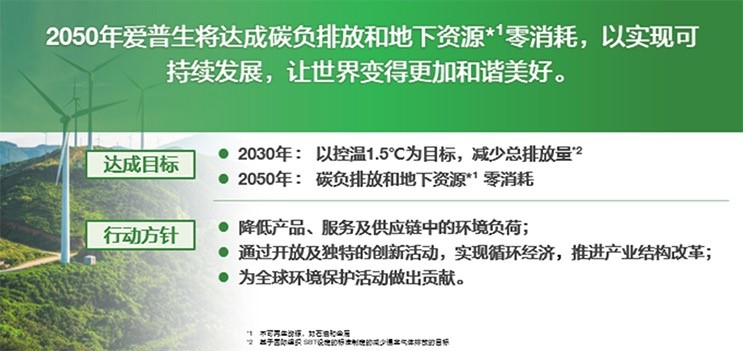
As early as 2008, Epson took the lead in formulating the "2050 Environmental Vision" and updated and revised it in 2018 in response to the urgent need for carbon reduction and green expansion in society, proposing more specific and stringent environmental goals, namely achieving carbon negative emissions and zero consumption of underground resources by 2050. This goal not only precedes the carbon neutrality commitments of most companies, but also defines the environmental responsibility boundary of technology enterprises with the courage of "negative emissions".
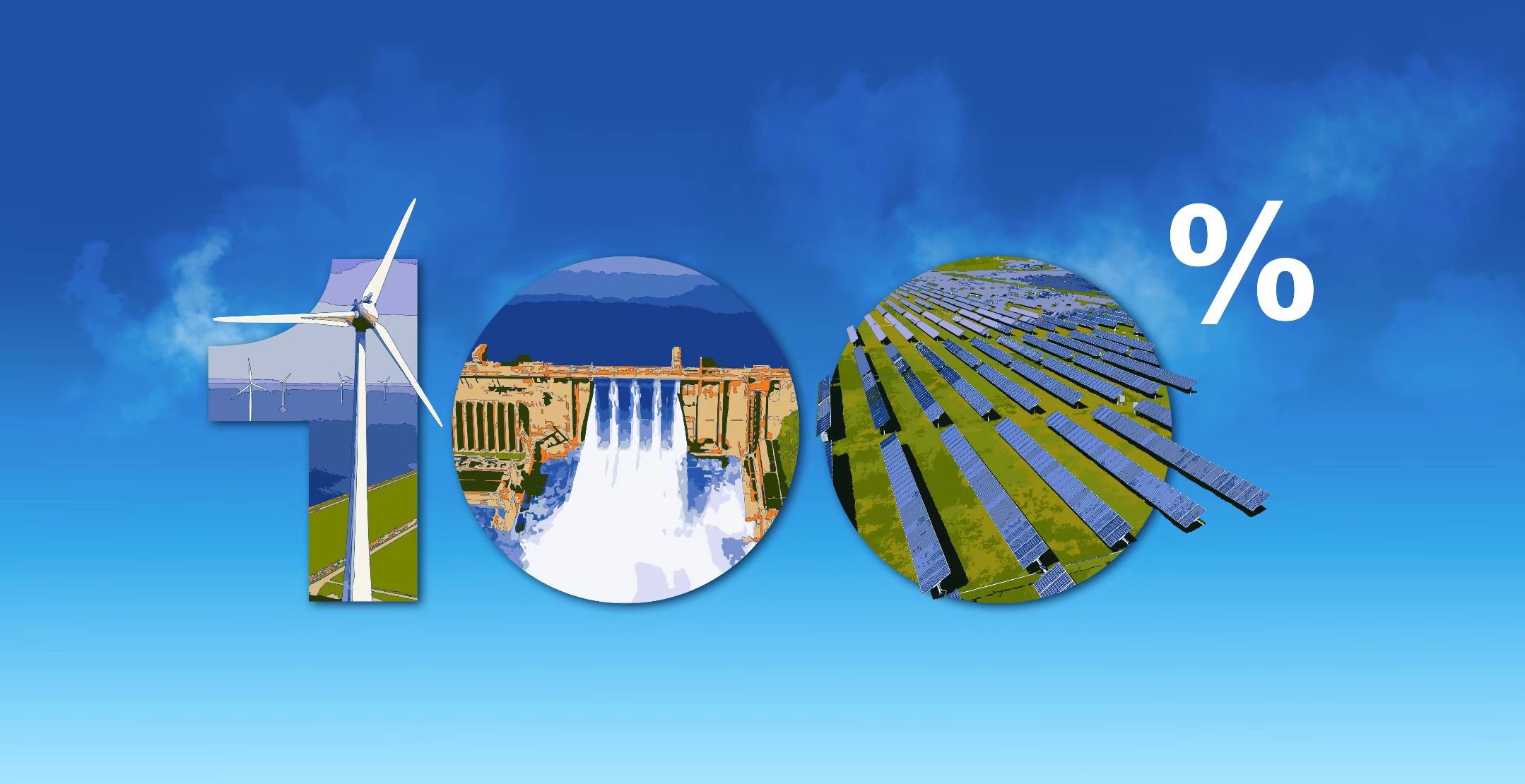
In just over 2 years, in January 2023, Epson China's factories were the first to achieve a transition to 100% renewable electricity. In December of the same year, Seiko Epson Group's global factories also completed a 100% renewable electricity transition. Based on this, by using renewable electricity to meet electricity demand, Epson Group expects to reduce approximately 400000 tons of carbon dioxide emissions annually.
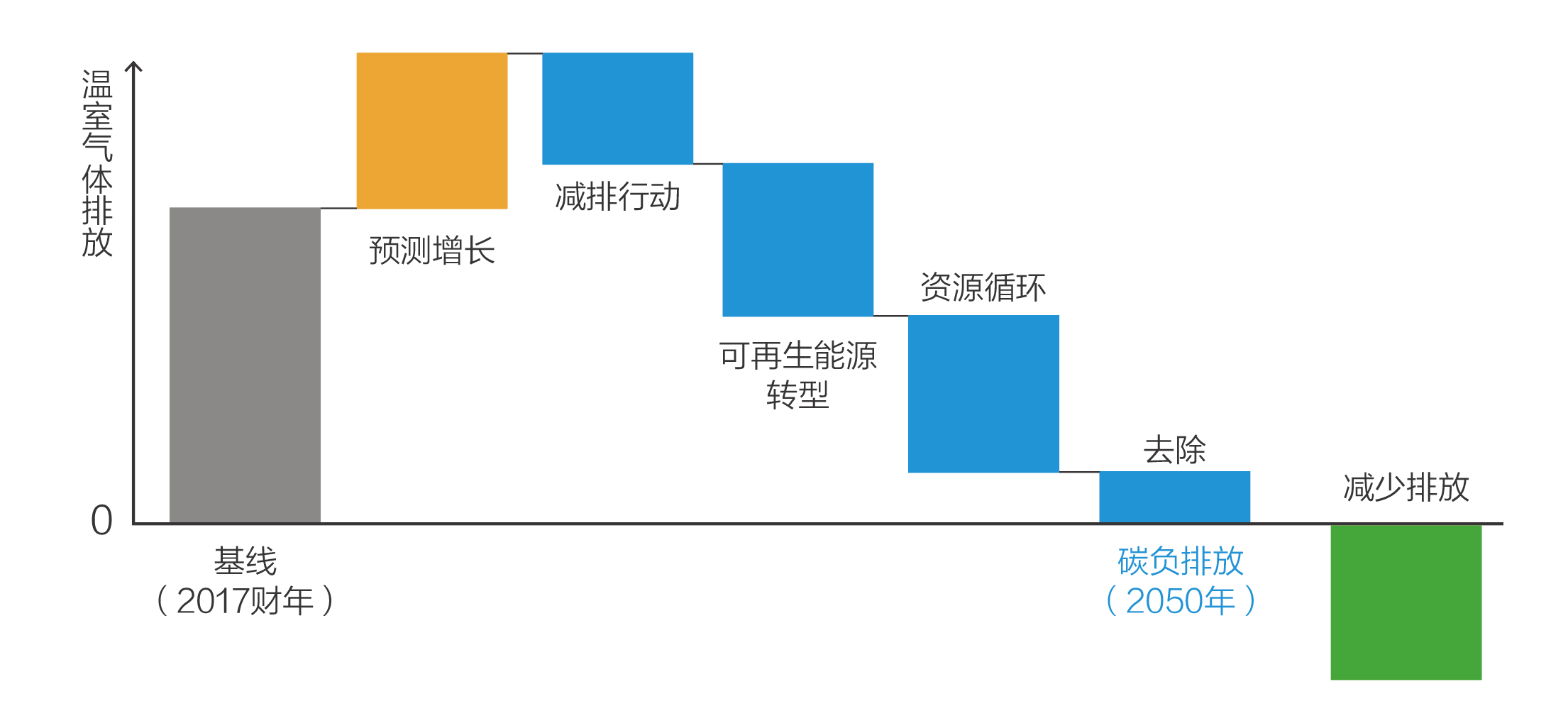
To further achieve the goal of 'carbon negative emissions', Epson has developed a clear decarbonization roadmap. Firstly, reduce carbon emissions from oneself, supply chain, and user production and usage processes to a minimum. Secondly, achieve the conversion to renewable energy by strengthening resource recycling. Finally, explore various possibilities for removing carbon dioxide from the atmosphere through innovative environmental protection technologies.
As of the 2023 fiscal year, Epson Group has achieved outstanding results in reducing carbon dioxide emissions by over 80% * 2 compared to FY17 in terms of direct greenhouse gas (GHG) emissions from fuel use and indirect emissions from purchased energy. Guided by a forward-looking vision of anchoring a green future, Epson Group has achieved remarkable results.
Developing green engines to make low-carbon the norm
Based on years of research and development in environmental protection technology and deep market cultivation, Epson has integrated green actions throughout its corporate development, continuously promoting green upgrades in five major innovation areas.
In the field of office and home printing, Epson is restructuring industry standards through Heat Free cold printing technology. Traditional laser printers * 3 use high-temperature fixing technology, which has high energy consumption and carbon emissions, while Epson's Heat Free cold printing technology allows inkjet printing without heating, reducing maximum power consumption by up to 90% * 4. In terms of consumables usage, Epson continues to make inkjet printers more compact and compact through compact and lightweight designs. At the same time, by equipping large capacity ink tanks, Epson reduces the frequency of consumables replacement and reduces environmental load. In addition, Epson has innovatively added recycled materials to the plastic body to further reduce underground resource consumption. In China, Epson's official refurbished machine campaign has been very successful, reducing 122 tons of waste * 5 with Chinese users to the environment in 2023 alone.
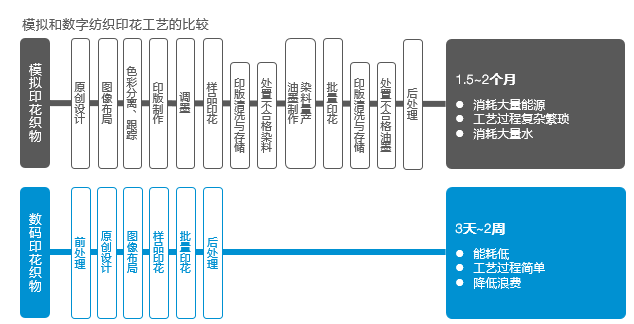
In the fields of commercial and industrial printing, digital printing technology is driving the transformation of traditional production models and making strides towards green production. Epson's self-developed PrecisionCore printing technology not only greatly improves digital printing speed, but also helps industry partners significantly reduce environmental load with advantages such as low power consumption and labor savings. Compared with traditional screen printing technology, Epson digital printing technology not only saves plate management time, but also eliminates the need for plate washing and pigment ink post-processing throughout the entire production process. According to statistics, it can bring up to 97% industrial water savings * 6, planting industrial water "de polluting" into the core of the industrial chain and minimizing environmental impact. Meanwhile, digital printing can also support small batch and customized production, accelerate turnover speed, and promote the development of personalized printing market.
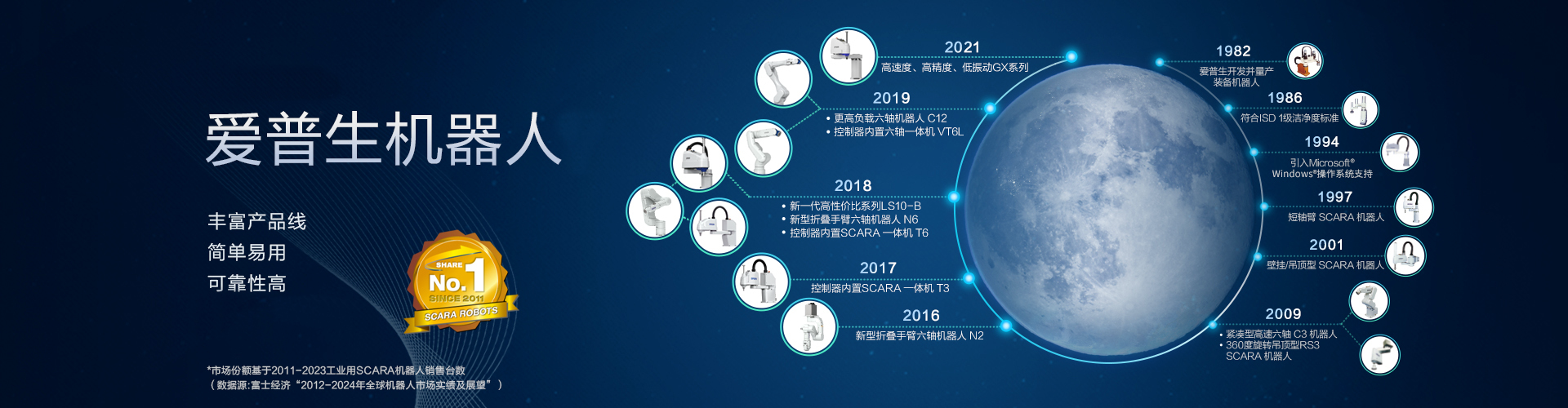
In the field of visual innovation, Epson projectors are equipped with long-lasting laser light sources, which can be used continuously for 20000 hours * 7, enhancing their lifespan and reducing manual maintenance. In the field of manufacturing innovation, by continuously improving the technological innovation and reliability of robots, and reducing energy consumption, Epson T3 robots can currently save up to 30% * 8 energy compared to traditional SCARA robots. As of now, Epson has been the global market share leader in SCARA robots for 11 consecutive years * 9.
In addition, to strengthen resource recycling, Epson has developed dry fiber technology that can recycle waste paper and textile fibers, extending the "vitality" of existing materials; Through innovative research and development of metal powder manufacturing technology, using metal melting and atomization process to recycle and reuse silicon wafers in semiconductor manufacturing business, in order to establish a manufacturing process that realizes metal resource recycling; And through cooperation with universities and industry partners, Epson is accelerating the social application of composite plastics in the circular economy, in order to achieve the goal of "replacing underground resource use with above ground resources".
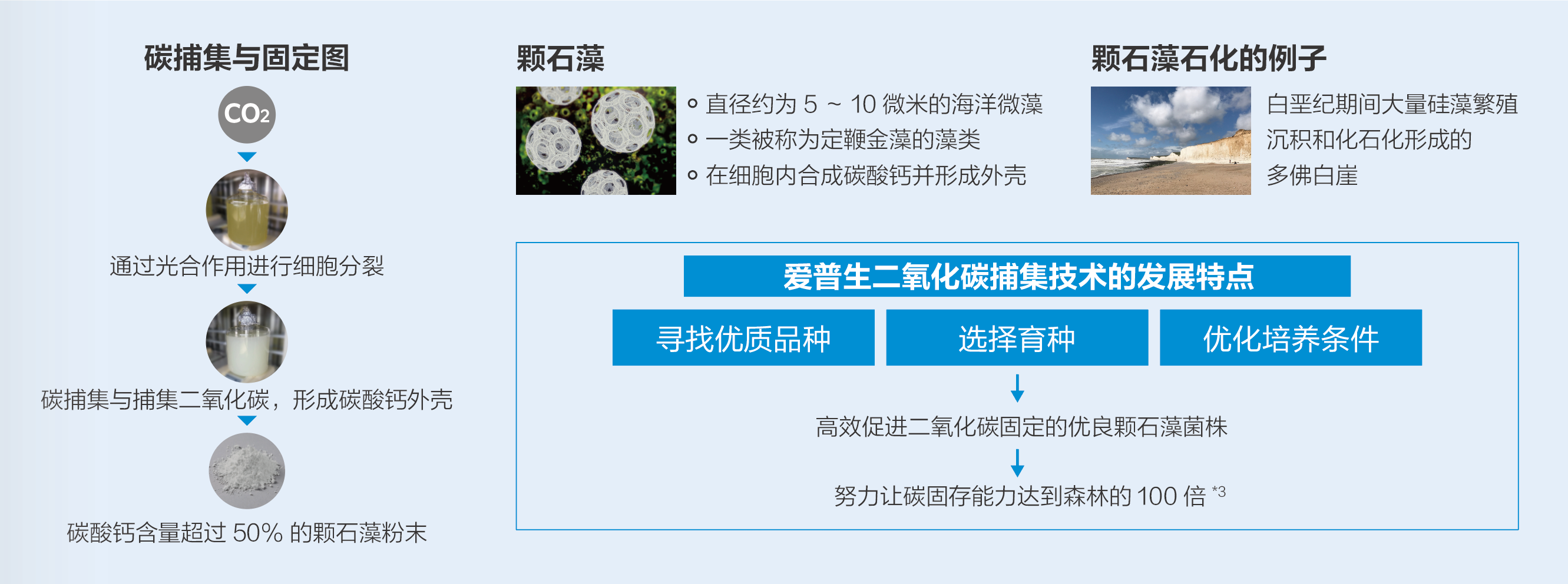
To eliminate more carbon from the atmosphere, Epson is also focusing on developing separation membranes that can preferentially permeate carbon dioxide based on its proprietary technology to cope with unavoidable residual greenhouse gas emissions. In terms of biological carbon sequestration, Epson has developed carbon dioxide capture technology using microalgae, and has successfully increased the amount of carbon dioxide fixed in the laboratory to 70 times that of forests * 10.
Epson's green practice is not only a technological revolution, but also a value reconstruction, proving that green development and corporate growth are not zero sum games. Epson's series of green initiatives have also gained recognition from the international market and users. Seiko Epson has been listed in the FTSE4Good INDEX Series for several consecutive years, awarded the MSCI ESG Index AAA rating, and included in the CDP A List.
Building a community with a shared future for mankind and nature amidst the crisis of climate change and resource depletion is the common vision of all humanity. In the future, Epson will continue to practice the environmental protection technology of "saving, small, and precision", resonate with China's "dual carbon" strategy through its own green actions, and work with more enterprises to move towards a broader green future!
notes
*1 does not include some sales venues and rental properties, as the electricity consumption of these places cannot be determined. The results for the 2023 fiscal year include combined heat and power system (CGS) electricity and spontaneous electricity. Due to the difficulty in procuring renewable energy fuels or green gas certificates that meet the RE100 technical standards, we voluntarily apply renewable electricity certificates equivalent to the amount of electricity used to achieve 100% renewable electricity usage.
*CO2 conversion coefficient for greenhouse gas emissions
-Electricity: In Japan, according to the emission factors released by the Ministry of Environment and the Ministry of Economy, Trade and Industry, Epson applies the adjusted emission factors to the power supply companies (i.e. public utilities) at Epson sites. Overseas, we use national emission factors listed by the International Energy Agency (IEA) or emission factors provided by power supply companies at Epson sites.
-Fuel: The coefficients published by IPCC in 2006 were used for domestic and international data.
-Greenhouse gases other than carbon dioxide: Equivalent calculated based on the centennial global warming potential in the IPCC Fifth Assessment Report.
*3 Laser printers refer to Epson laser printers
*Comparing the maximum power consumption of Epson laser products (AcuLaser CX37DTNF) in the same speed range using the Epson WorkForce series A4 color multifunctional all-in-one machine WF-C5790a, there may be differences in data compared to other WorkForce series products.
*In 2023, a total of 20000 refurbished machines will be produced, with a total weight of approximately 122 tons.
*The "Report on Direct Water Use for Digital Textile Printing (January 2024)" commissioned by Seiko Epson and written by Guqiao Environmental Research Institute compared the screen dye printing and MonnaLisa inkjet dye/pigment printing processes, as well as the direct water consumption for coloring fabrics with a width of 1.5 meters and a length of 300 meters using two methods. It was also pointed out that these data may vary due to differences in usage environment and measurement conditions.
*The approximate time from the first use to a 50% decrease in brightness. Assuming the use of particles with a concentration of 0.04-0.20 mg/m3, measurements will be taken through accelerated testing. The length of time varies depending on the usage conditions and environment.
*8 Compared to Epson LS3 SCARA robot
*The market share is based on the number of industrial SCARA robots sold from 2011 to 2023. (Data source: Fuji Economy "Global Robot Market Performance and Outlook from 2012 to 2024")
*10 calculations based on data from the Japan Forestry and Forest Products Research Institute (FFPRI)