
.png)
.png)
.png)
.png)



- Feature Highlights
- Specification parameters
.png)
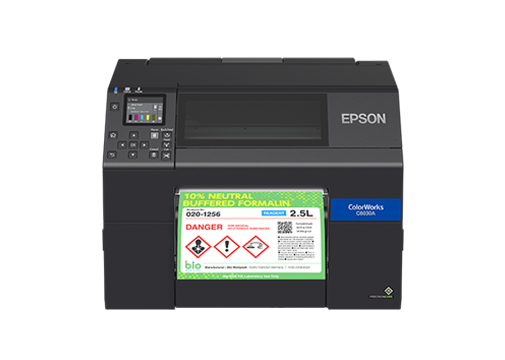
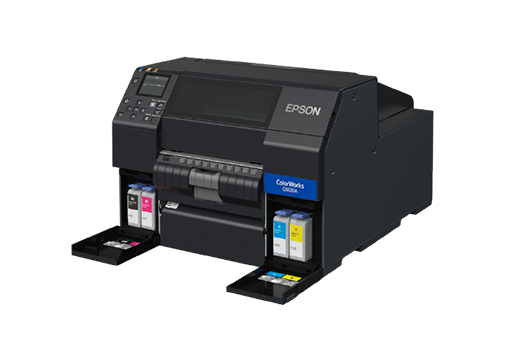
Epson CW-C6030P
Industrial grade: Comes with a peeler, flexible for use in automated assembly lines
High quality: PrecisionCORE ® Print head with a resolution of up to 1200x1200dpi
Compatibility: Supports multiple media, compatible with Windows/Linux/iOS on multiple platforms
Pigment Ink: Epson pigment ink, label quick drying, waterproof, light resistant, scratch resistant
Safety: Ink has passed international safety certification and meets industry application standards
Printing method: on-demand inkjet printing
Maximum printing width: 108mm
Printing speed *: fastest 119mm/s (300x600dpi)
Printing accuracy: up to 1200dpi x 1200dpi
frequently asked questions
Video Introduction
Color page download
Feature Highlights
Innovative Stripper Design: Manual Labeling for Small Batch Operations
The inkjet label printer with a random built-in peeler can easily achieve both manual label pasting and automated assembly line system construction. No external peeling device is required, the peeler automatically separates the label from the base paper, and the label can be pasted after printing, greatly improving manual operation efficiency.
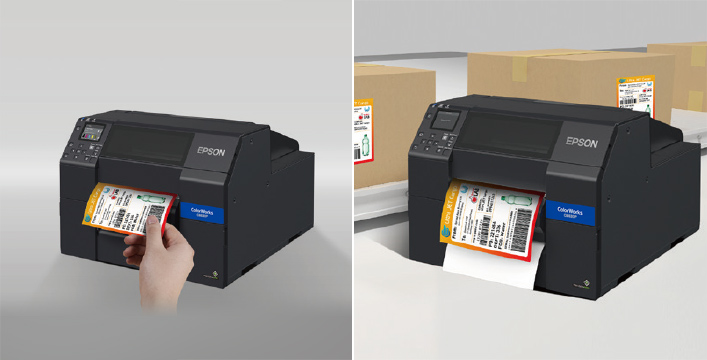
Innovative peeler design: flexible and suitable for automated assembly line operations
The external interface supports the expansion of external devices, making it easier to cooperate with the automatic operation of the production line. It can be combined with peripheral devices such as robotic arms and automatic labeling machines to improve the automation level of the assembly line, save labor costs, and optimize production efficiency.
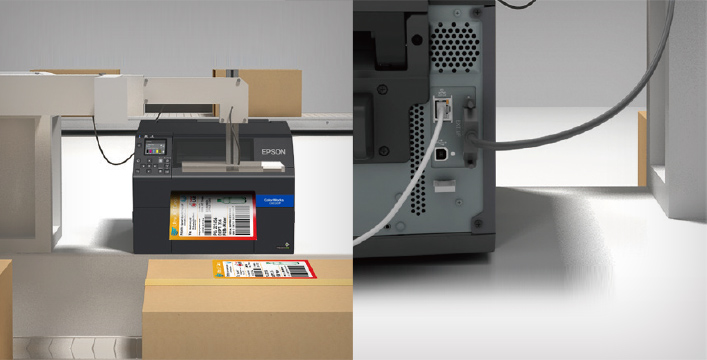
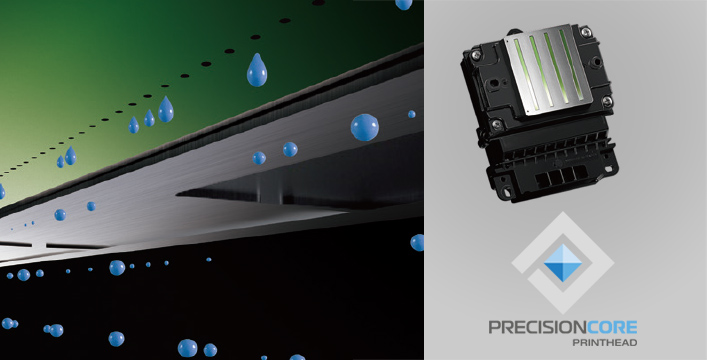
PRECISIONCORE®print head
PRECISIONCORE ® Thin film piezoelectric (TFP) print heads ensure consistent generation of excellent image quality. The resolution is up to 1200x1200dpi. High precision small font output, high saturation full-color presentation, meeting the output needs of high-quality users.
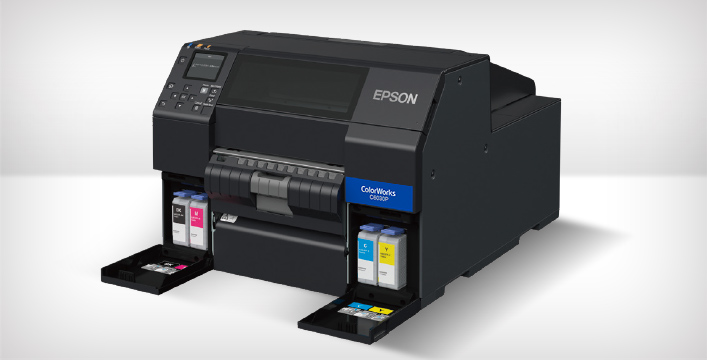
Four-color pigment ink
Epson pigment ink, label quick drying, waterproof, light resistant, scratch resistant, can be stored for a long time. CMYK four-color large capacity split ink cartridge (black, cyan, magenta, yellow/with black available in either BK glossy black or MK matte black).
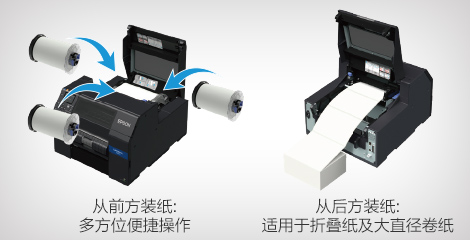
Easy to pack paper design, suitable for multiple media applications
Suitable for various media types such as regular paper, synthetic paper, glossy paper, matte paper, film, etc., to meet diverse user scenarios. Randomly equipped with easy to install and unload paper tray, convenient for quick switching between different media sizes. The paper tray can be purchased independently as an option.
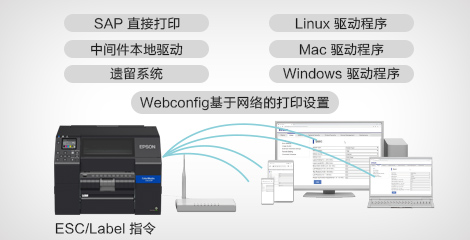
Multi platform compatibility
Can be integrated with a wider range of systems (Windows, Linux, Mac), allowing settings to be changed through various operating system networks, enhancing client system adaptability.
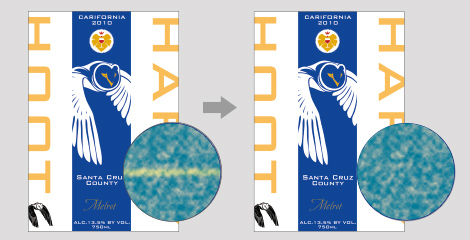
Automatic ink droplet compensation
The intelligent ink droplet detection system of the print head will automatically compensate for missing ink droplets and adjust the print quality when the existing blockage of the print head occurs, to ensure the continuous presentation of high-quality color labels.
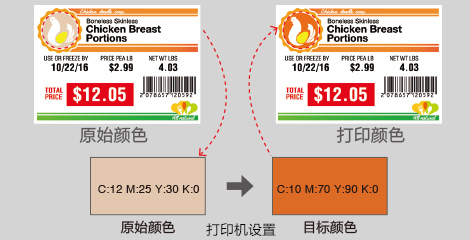
Spot color matching and ICC curve
The driver contains spot color matching function, which can quickly achieve target color matching. In addition, the C6530 series also supports ICC curves, which can achieve color management between different devices and media, meeting the needs of users who require high-quality label output.
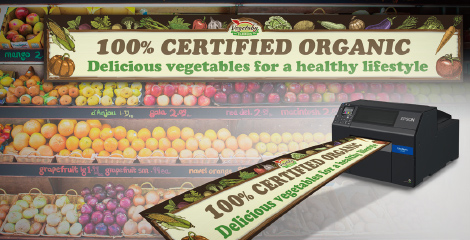
Support banner printing
By using continuous paper and setting the label gap to 0, banner printing can be achieved, which is suitable for long label output in the retail industry and factory facilities.
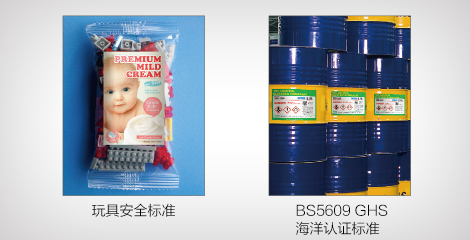
Ink safety certification
Ink has passed various international safety certifications such as toy safety and GHS marine certification, meeting industry application standards and providing peace of mind for use.

notes:
* Versatile refers to a wide range of application scenarios, suitable for museums, exhibitions, entertainment, retail stores, and can be used outdoors with protective boxes.
*1 Maintenance here: only refers to the replacement of light sources or dust screens. 20000 hours is the approximate usage time from the first use of the projector until the brightness of the light source decreases to 50%. Based on accelerated test results in simulated usage environments (float to sink levels of 0.04-0.20 milligrams per cubic meter). The above time is not a promised warranty period. The brightness of the laser light source will gradually decrease with increasing usage time.Maintenance here: only refers to the replacement of light sources or dust screens. 20000 hours is the approximate usage time from the first use of the projector until the brightness of the light source decreases to 50%. Based on accelerated test results in simulated usage environments (float to sink levels of 0.04-0.20 milligrams per cubic meter). The above time is not a promised warranty period. The brightness of the laser light source will gradually decrease with increasing usage time.
*2The Information Display Measurement Standard (IDMS) released the measurement method for color brightness in June 2012, which was developed by the International Committee on Display Metrology (ICDM) under the management of the International Information Display Association (SID). Based on the ISO21118 standard, this nominal value represents the average value of the product during mass production, and the minimum factory value of the product is 80% of the nominal value.
*3Brightness and contrast data are based on: color mode: dynamic, zoom: wide-angle, auto aperture: on.
*4 The above time is not a promised warranty period. The brightness of the laser light source will gradually decrease with increasing usage time. The actual service life of laser light sources varies greatly depending on factors such as usage mode, environmental conditions, and user habits. When the projector is used in low brightness mode, the lifespan of the laser light source will be effectively extended.
*5 This brightness is the light output value at the center position of the screen in dynamic mode. There is no official measurement standard for center brightness, and each manufacturer's method of measuring center brightness is independent. Suggest referring to the color brightness measured by IDM15.4 and the white brightness measured by ISO 21118.